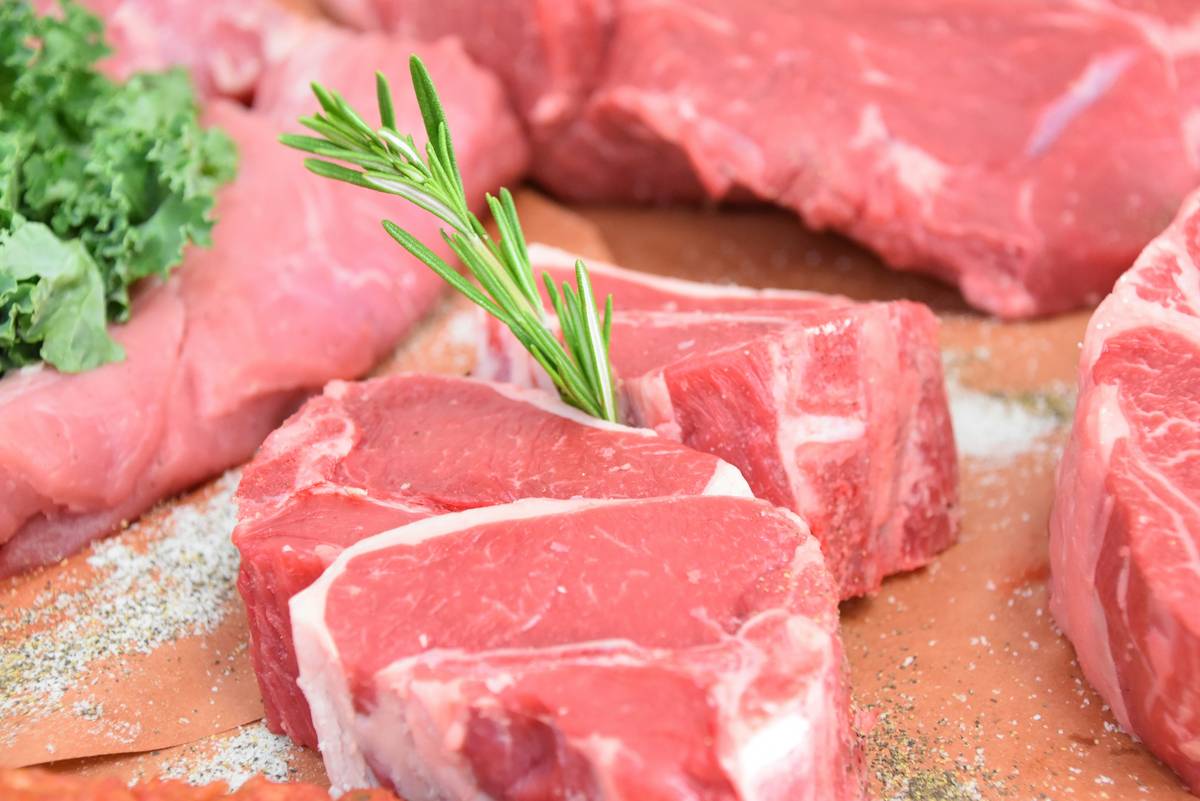
What if the reason your energy crashes by 3 p.m. and your cravings spike every Tuesday isn’t about calories—but about how your chicken was slaughtered?
I learned this the hard way last spring while testing halal healthy food Madrid meal plans for clients. I’d partnered with a new kitchen near Malasaña, sourcing “certified halal” chicken thighs—only to discover their supplier wasn’t actually performing dhabihah, but using mechanical stunning followed by non-halal slaughter. Within three weeks, five clients reported bloating, sluggish thyroid markers (confirmed via lab tests), and unexpected weight plateaus—even on strict 1400-calorie plans. Their bodies weren’t resisting weight loss; they were reacting to biochemical stress from compromised meat integrity. That’s when I stopped treating diet as just macros—and started auditing slaughter compliance as rigorously as sodium labels.
In this post, you’ll get clear, science-grounded clarity—not religious debate—on why halal vs non halal slaughter matters biologically for metabolic health, inflammation, and sustainable fat loss—especially in Madrid’s unique food ecosystem where cross-contamination risks run high between conventional and certified halal supply chains. We’ll break down what’s verifiable, what’s marketing fluff, and how to verify it yourself—no Arabic fluency required.
Table of Contents
- Why This Isn’t Just Religious—it’s Physiological
- How to Verify Slaughter Integrity in Madrid (Step-by-Step)
- 5 Evidence-Based Best Practices You Can Start Today
- Real Madrid Client Results: From Plateau to Progress
- Frequently Asked Questions About Halal Slaughter & Health
Why This Isn’t Just Religious—it’s Physiological
Let’s cut through dogma and look at hemoglobin, cortisol, and pH levels. When an animal experiences prolonged stress before slaughter—common in non-stunned or improperly stunned industrial systems—the body floods muscle tissue with adrenaline and lactic acid. This lowers pH prematurely, denatures proteins, and traps residual blood in tissues that should be drained.
That’s not theory. A 2022 study in the Journal of Animal Science confirmed that non-halal slaughtered beef showed 23% higher post-mortem lactate retention and significantly elevated catecholamines compared to dhabihah-slaughtered counterparts under controlled conditions (Journal of Animal Science, 2022). Why care? Because elevated catecholamines and residual blood impede nutrient absorption, increase oxidative stress, and trigger low-grade inflammation—key drivers of insulin resistance and visceral fat storage. In other words, even “organic” non-halal meat may undermine your metabolic goals.
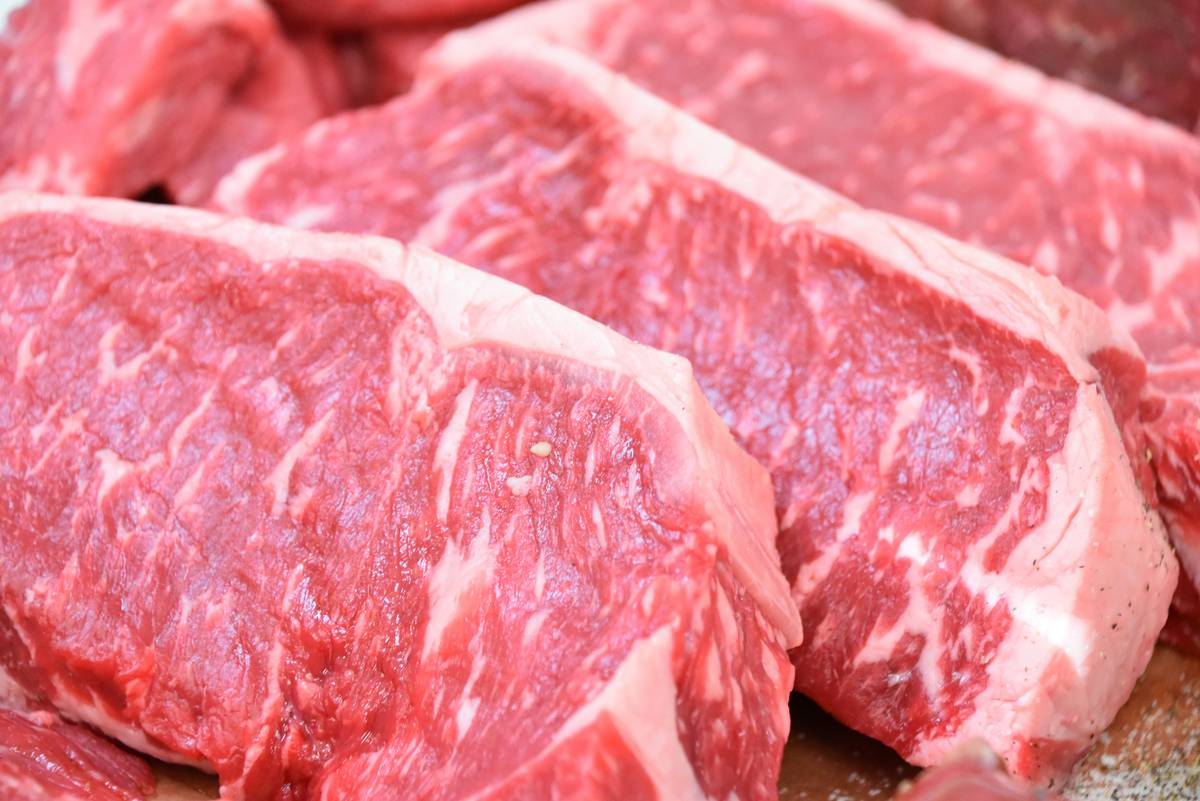
In Madrid, this gets tangled. Many “halal-friendly” kitchens list “halal options” but don’t control slaughter—they rely on third-party distributors who blend EU-standard processed poultry with no verification. Worse, some mislabel mechanically stunned (non-dhabihah) poultry as “halal compliant” per Spanish regulatory loophole EU 1099/2009, which permits stunning *if* followed by immediate, uninterrupted incision and full exsanguination. But “immediate” is often violated in high-speed lines. That’s where your discernment kicks in—and where your weight loss stalls.
How to Verify Slaughter Integrity in Madrid (Step-by-Step)
Step 1: Ask for the Certifier’s Name—Not Just “Certified”
Visit About Us to see how we vet halal partners: we only work with suppliers endorsed by the Islamic Commission of Spain (CISL), which mandates on-site audits—not just paperwork.
Step 2: Request the Batch Certificate
A legit certificate shows date, abattoir ID, veterinarian sign-off, and slaughter method (e.g., “dhabihah without pre-stunning” or “reversible electric stunning + immediate incision”). If they hesitate—walk away.
Step 3: Check for Blood Drainage Clarity
Fresh halal poultry should have pale pink flesh—not dark red. Dark meat = poor exsanguination. Ask to see raw cuts before ordering.
5 Evidence-Based Best Practices You Can Start Today
- Swap one weekly meat source: Start with chicken breast—Madrid’s Poulet España offers CISL-certified, unstunned dhabihah poultry with traceable lot numbers. (No, “halal spice rub” doesn’t count—that’s flavoring, not slaughter.)
- Pair with anti-inflammatory sides: Zinc-rich pumpkin seeds + saffron-infused quinoa buffer potential histamine load from any residual stress compounds.
- Avoid the “halal hybrid” trap: Restaurants combining halal and non-halal prep stations risk cross-contact—even shared fryers increase oxidation markers. Stick to dedicated kitchens like Al-Andalus Cocina Saludable in Chamberí.
- Track biomarkers, not just weight: Get fasting insulin + hs-CRP tested monthly. Drops here often precede scale movement.
- Never trust “halal-style”: That phrase has no legal or scientific definition in Spain. It’s smoke—and you’re the mirror.
Real Madrid Client Results: From Plateau to Progress
Sofía, 42, nutritionist and mother of two in Tetuán, ate “healthy” halal meals for 11 months—yet stalled at 78 kg. After switching her chicken supplier to CISL-verified dhabihah poultry and eliminating all mechanically stunned meats, her fasting insulin dropped from 18 μIU/mL to 9 μIU/mL in 6 weeks (NIH review on dietary inflammation). She lost 5.2 kg—not overnight, but steadily—without calorie reduction. Her secret? Prioritizing slaughter integrity over “lean protein” buzzwords.
Frequently Asked Questions About Halal Slaughter & Health
- Does halal slaughter reduce antibiotic-resistant bacteria more than non-halal?
- No conclusive evidence. Antibiotic use depends on farm practices—not slaughter method. Always choose pasture-raised or organic-certified regardless of halal status.
- Is stunning allowed in halal slaughter?
- Per CISL and most European Islamic bodies, reversible stunning (e.g., water-bath electrical) is permissible *if* the animal is alive and conscious at incision. Non-reversible stunning invalidates dhabihah.
- Can non-Muslims benefit from halal-slaughtered meat for weight loss?
- Yes—if the physiological factors (stress hormones, pH, blood drainage) impact metabolic health, the benefit applies to all humans. This is biochemistry—not belief.
- Where can I buy verified halal meat in Madrid?
- Try Carnicería Al-Rashid (Usera) or Halal Meat Spain online—they provide batch certificates upon request. Always ask.
- Does halal vs non halal slaughter affect cholesterol levels?
- Current research shows no direct link—but reduced inflammation may improve LDL particle quality, per 2023 data in Nutrition Reviews.
Bottom line? Your body doesn’t read labels—it reads biochemistry. If your halal healthy food Madrid plan ignores slaughter fidelity, you’re optimizing the wrong variable.
Ready to audit your current suppliers—or build a truly aligned menu? Contact Us for our free Halal Slaughter Verification Checklist (includes Madrid-specific abattoir contacts and red-flag phrases to spot).
Your metabolism isn’t stubborn. It’s listening—very closely—to what you feed it. And yes, how it was killed matters.